

Table of Contents
- Understanding Landlord Responsibilities and Tenant Obligations
- Tips for Easy Property Maintenance Australia: A Framework
- Seasonal Home Maintenance Checklist Australia
- Essential Property Maintenance Tools Australia
- How to Find Reliable Tradespeople in Australia
- Property Maintenance Schedule Template and Documentation
- Budgeting and Tax Deductibility of Repairs
- Common Mistakes in Property Maintenance to Avoid
Property Maintenance Tips for Australia: Easy Guide
Last Updated: July 9, 2026
Keeping your rental property in good condition doesn't require draining your time or budget. This guide covers practical tips for easy property maintenance that landlords and property owners can implement immediately. The reality is simple: preventive maintenance saves money, reduces tenant complaints, and protects your asset over time.
Understanding Landlord Responsibilities and Tenant Obligations
In Australia, landlord responsibilities include maintaining the property in a safe, habitable condition and ensuring all essential services function properly. Landlords must handle structural repairs, major systems, and anything affecting fundamental safety. Tenants typically handle minor wear and tear, basic cleaning, and reporting maintenance issues promptly.
Understanding this split prevents disputes and protects you legally. Australian residential tenancy laws vary slightly by state, but the core principle remains consistent: landlords maintain core systems and structure, while tenants maintain cleanliness and report problems.
Document everything in writing. When a tenant reports an issue, respond in writing, schedule repairs in writing, and keep photos before and after repairs. This paper trail protects you if disputes arise later.
Tips for Easy Property Maintenance Australia: A Framework
The best approach splits into two strategies: preventive maintenance as your foundation, and emergency repair management as your safety net. Preventive maintenance means scheduled inspections and minor fixes before problems escalate. Most property owners focus entirely on emergency repairs, reacting only when something breaks, which costs significantly more.
Preventive Maintenance as Your Foundation
A routine inspection schedule, typically quarterly for residential properties, catches problems early when they're cheap to fix. A small roof leak costs $200 to repair; ignored for six months, it costs $3,000 in water damage.
Preventive maintenance includes visual inspections of gutters, downspouts, and roof condition; testing smoke detectors and safety equipment; checking for pest damage or water infiltration; inspecting plumbing fixtures for leaks; testing HVAC systems before seasonal changes; and checking door locks and window seals.
Schedule inspections at predictable intervals. Spring inspections catch winter damage. Autumn inspections prepare the property for colder months.
Emergency Repairs vs. Routine Upkeep
Emergency repairs demand immediate attention: no hot water in winter, gas leaks, electrical hazards, roof leaks during heavy rain, or plumbing that makes the property uninhabitable. These require same-day or next-day response.
Routine upkeep includes repainting, replacing worn weatherstripping, fixing minor plumbing drips, or repairing non-essential fixtures. These can be scheduled within 1-2 weeks without legal consequence. Understanding this distinction shapes how you respond and budget.
Seasonal Home Maintenance Checklist Australia
Australia's climate varies dramatically by region, but every property benefits from seasonal maintenance. Spring and autumn are ideal times for major inspections.
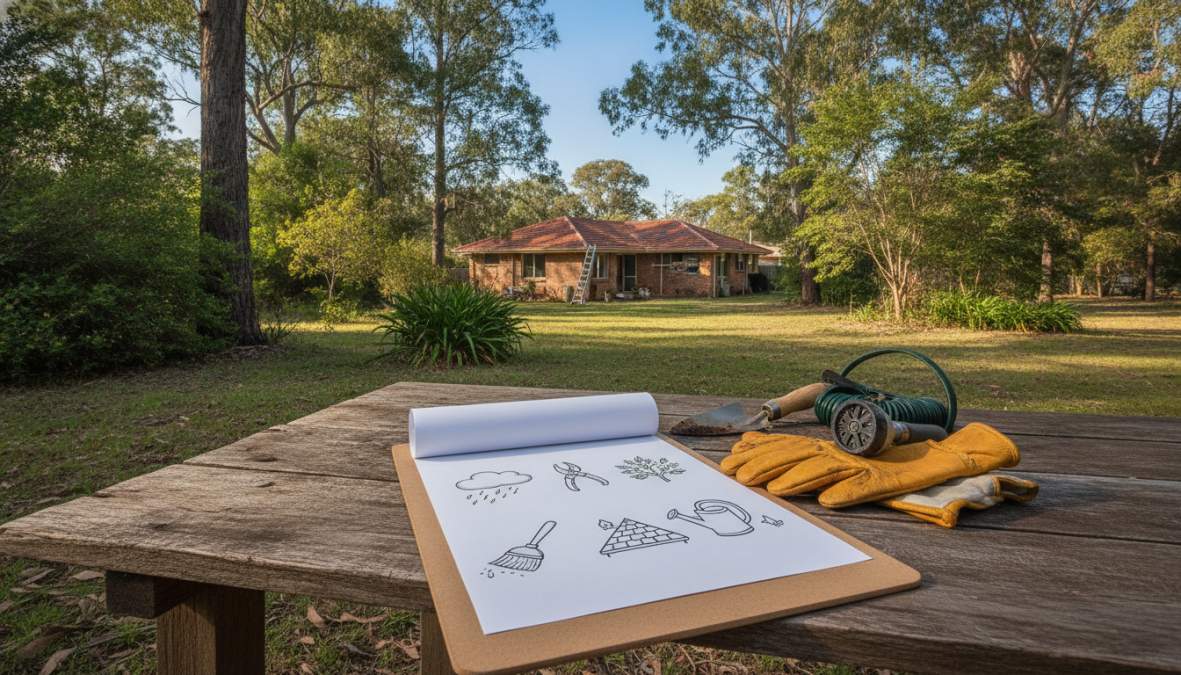
Spring: Gutters, Downspouts, and Roof Inspection
Spring is when winter damage becomes visible. Heavy rains and wind stress gutters and roofing systems.
Start with gutter cleaning. Debris accumulation prevents water drainage, forcing water into walls and foundations. Clean gutters thoroughly and check that downspouts direct water at least 1.5 meters away from the foundation.
Inspect the roof visually from the ground using binoculars. Look for missing tiles, damaged flashing, or visible wear. Hire a licensed professional if you suspect damage. Check for water stains inside the property around ceiling corners, window frames, and in the attic. Test all exterior doors and windows, replacing weatherstripping where needed.
Summer: HVAC Servicing and Exterior Protection
Summer heat stresses cooling systems and exposes the property to intense UV damage.
Service your HVAC system before peak summer demand. A well-maintained air conditioning unit runs efficiently and costs less to operate. Have a licensed technician inspect refrigerant levels, clean filters, and check for leaks.
Inspect exterior paint and weatherproofing. Summer sun fades and cracks paint, exposing wood to UV damage. Look for peeling paint, especially on north-facing walls. Check garden areas for overgrowth; vegetation touching the house creates pathways for pests and traps moisture. Inspect deck and patio surfaces for damage and safety hazards.
Autumn and Winter: Weatherproofing and Main Line Cleaning
Autumn and winter bring rain and cold. Your focus shifts to keeping water out and systems running.
Clean gutters again in late autumn before heavy winter rains. Have your main line cleaned professionally before winter to prevent costly sewage backups. Inspect and seal gaps around pipes, cables, or vents that penetrate exterior walls. Test heating systems before winter arrives; furnaces and heat pumps need professional servicing annually. Check windows and doors for drafts and caulk gaps around frames.
Essential Property Maintenance Tools Australia
You don't need expensive equipment to maintain a property effectively. A few quality tools enable routine inspections and minor repairs.
Tools for DIY Maintenance and Inspections
A basic property maintenance toolkit includes binoculars for roof inspection, flashlight, moisture meter, appropriate ladder, basic hand tools (hammer, screwdrivers, wrench, pliers), caulk gun and weatherproof sealant, paint supplies, and garden maintenance tools.
Hire licensed tradespeople for anything requiring permits or specialized skills. These tools let you conduct thorough inspections and handle minor maintenance tasks. Quality tools make inspection and minor repairs easier, encouraging prompt action rather than delays.
Digital Tools and Apps for Landlords
Digital tools transform property maintenance from chaotic to organized. Property management apps let you schedule maintenance, track expenses, and communicate with tenants from your phone.
Popular options include maintenance scheduling apps, expense tracking software, photo documentation apps with timestamps, tenant communication platforms, and inspection checklists. Digital documentation proves invaluable if disputes arise. Track every maintenance task: what was done, when, by whom, cost, and outcome. This record becomes your property's maintenance history.
How to Find Reliable Tradespeople in Australia
Your property maintenance success depends entirely on the quality of tradespeople you hire.
Vetting and Building Your Network
Ask other landlords for recommendations. Local property investment groups connect you with vetted tradespeople. Check licenses and insurance; every licensed tradesperson carries specific credentials. Verify these before hiring and ask for proof of current insurance.
Get multiple quotes for major repairs. Compare price, timeline, warranty, and experience. Build relationships with a few trusted tradespeople; they understand your property, respond faster to emergencies, and often provide better pricing.
Document every interaction. Get written quotes before work begins. Confirm scope of work in writing. Take photos before and after completion. Keep all receipts and warranties.
Property Maintenance Schedule Template and Documentation
Consistency matters more than perfection. A simple maintenance schedule ensures you don't forget critical tasks.
Record Keeping and Property Condition Reports
Create a master maintenance schedule listing every task, recommended frequency, and last completion date. Document everything with timestamped photos. Create a property condition report at the start of every tenancy, establishing baseline condition with detailed photos. This protects you when determining damage beyond normal wear and tear.
Keep all maintenance receipts and warranties. These documents prove you maintained the property properly and help with tax deductions.
| Maintenance Task | Frequency | Best Time | Documentation |
|---|---|---|---|
| Visual inspection | Quarterly | Each season | Photos + notes |
| Gutter cleaning | Twice yearly | Spring & autumn | Completion date |
| HVAC servicing | Annually | Before peak season | Service report |
| Main line cleaning | Annually | Autumn | Service certificate |
| Pest inspection | Annually | Any time | Inspection report |
| Property condition report | At tenancy start/end | Move-in/out | Detailed photos |
Budgeting and Tax Deductibility of Repairs
Set aside 1-2% of your property's annual value for maintenance. A property valued at $500,000 should have a $5,000-$10,000 annual maintenance budget. Track all expenses meticulously; maintenance costs are deductible from rental income.
Capital Improvements vs. Repairs: Australian Tax Implications
The Australian Tax Office distinguishes between repairs (deductible) and capital improvements (depreciated over time). Repairs maintain the property in its current condition; replacing a broken window or repainting worn surfaces are repairs, fully deductible in the year they occur.
Capital improvements enhance the property beyond its original condition; installing new plumbing or replacing the entire roof are capital improvements, depreciated over their useful life. The line isn't always clear. Consult a tax professional when in doubt. Keep documentation showing whether work was maintenance or capital improvement.
Sustainable and Eco-Friendly Maintenance Choices
Sustainable practices reduce environmental impact and often lower operating costs. Install LED lighting throughout the property; they last longer and use less electricity. Upgrade to water-efficient fixtures; low-flow showerheads and efficient toilets reduce consumption. Improve insulation and weatherproofing to reduce heating and cooling costs. Consider renewable energy options like solar panels if your property supports them. Document all sustainable improvements; they often qualify for tax deductions and increase property value.
Common Mistakes in Property Maintenance to Avoid
Ignoring small problems. A minor roof leak becomes major water damage. Address problems immediately when they're small and cheap.
Delaying maintenance until problems emerge. Reactive maintenance costs more and creates tenant frustration. Schedule maintenance proactively.
Hiring unlicensed tradespeople to save money. Unlicensed work often fails, creates safety hazards, and violates building codes. You're liable for poor-quality work.
Skipping documentation. Without records, you can't prove you maintained the property. Documentation protects you legally.
Neglecting seasonal maintenance. Each season brings different stresses. Seasonal maintenance prevents seasonal crises.
Using cheap materials for important repairs. Invest in quality materials that last; the cost difference is small compared to redoing failed repairs.
Not communicating with tenants about maintenance. Clear communication builds trust and ensures tenants cooperate with maintenance access.
Property maintenance requires consistency and attention to detail, not specialized knowledge or expensive equipment. By following a seasonal maintenance schedule, documenting everything, and building relationships with reliable tradespeople, you'll protect your investment and keep tenants satisfied. Start with a simple maintenance schedule this week, and property management becomes significantly easier.
Frequently Asked Questions
What are the most important property maintenance tasks in Australia?
The most critical tasks include gutter cleaning, HVAC servicing, roof inspections, and main line cleaning. These preventive maintenance activities protect your property's durability and prevent costly emergency repairs. Landlords must also ensure compliance with residential tenancy laws by addressing repair requests promptly and maintaining habitability standards. Regular inspections help identify wear and tear early, preserving your rental yield and asset value.
How often should I perform property maintenance and inspections?
Routine inspections should occur quarterly, with seasonal maintenance tasks scheduled spring through winter. HVAC servicing typically happens twice yearly. Gutter cleaning requires attention after autumn and before heavy rain seasons. Create a property maintenance schedule template to track all tasks. Prompt management of repair requests prevents small issues from becoming emergency repairs, extending your property's life cycle and maintaining tenant satisfaction.
Is property maintenance tax deductible in Australia?
Yes, many property maintenance expenses are tax-deductible in Australia. Repairs that restore your property to its original condition qualify as deductions, improving your rental yield. However, capital improvements, which add value or extend property life, may be depreciated over time rather than claimed immediately. Consult an accountant about your specific situation. Keep detailed records of all maintenance work and expenses. Understanding this distinction helps maximize your tax benefits while maintaining compliance.
What should I include in a property maintenance schedule template?
Your template should list seasonal tasks (gutters, downspouts, HVAC), routine inspection dates, repair request deadlines, and tradespeople contact details. Include columns for completion dates, costs, and notes on wear and tear observed. Digital tools and apps for landlords can automate reminders and documentation. A comprehensive property condition report at lease start and end protects both landlord and tenant, ensuring compliance with residential tenancy laws and simplifying future maintenance planning.
This article was written using GrandRanker